
Introduction
Nestled in the heart of Cowes, a vibrant and historically rich town on the northern coast of the Isle of Wight, Rosetta Cottage stands as a charming reminder of the area’s deep maritime heritage and Victorian past. Known for its picturesque beauty and historical significance, this quaint coastal cottage offers a unique window into the architectural and cultural history of Cowes. As one of the hidden gems of the town, Rosetta Cottage represents not just a typical Victorian seaside home, but a symbol of the era’s close connection to the sea and the town’s maritime legacy.
The History of Rosetta Cottage
Built during the Victorian era, Rosetta Cottage is one of many homes on the Isle of Wight constructed as part of the island’s transformation into a fashionable seaside destination. During the 19th century, Cowes became a thriving center for yachting and shipping, with the founding of the Royal Yacht Squadron in 1815 contributing to the town’s rise in prominence. Wealthy families from across England, drawn by the town’s picturesque views of the Solent and its burgeoning reputation as a yachting hub, began to build holiday homes along the coast, including Rosetta Cottage.
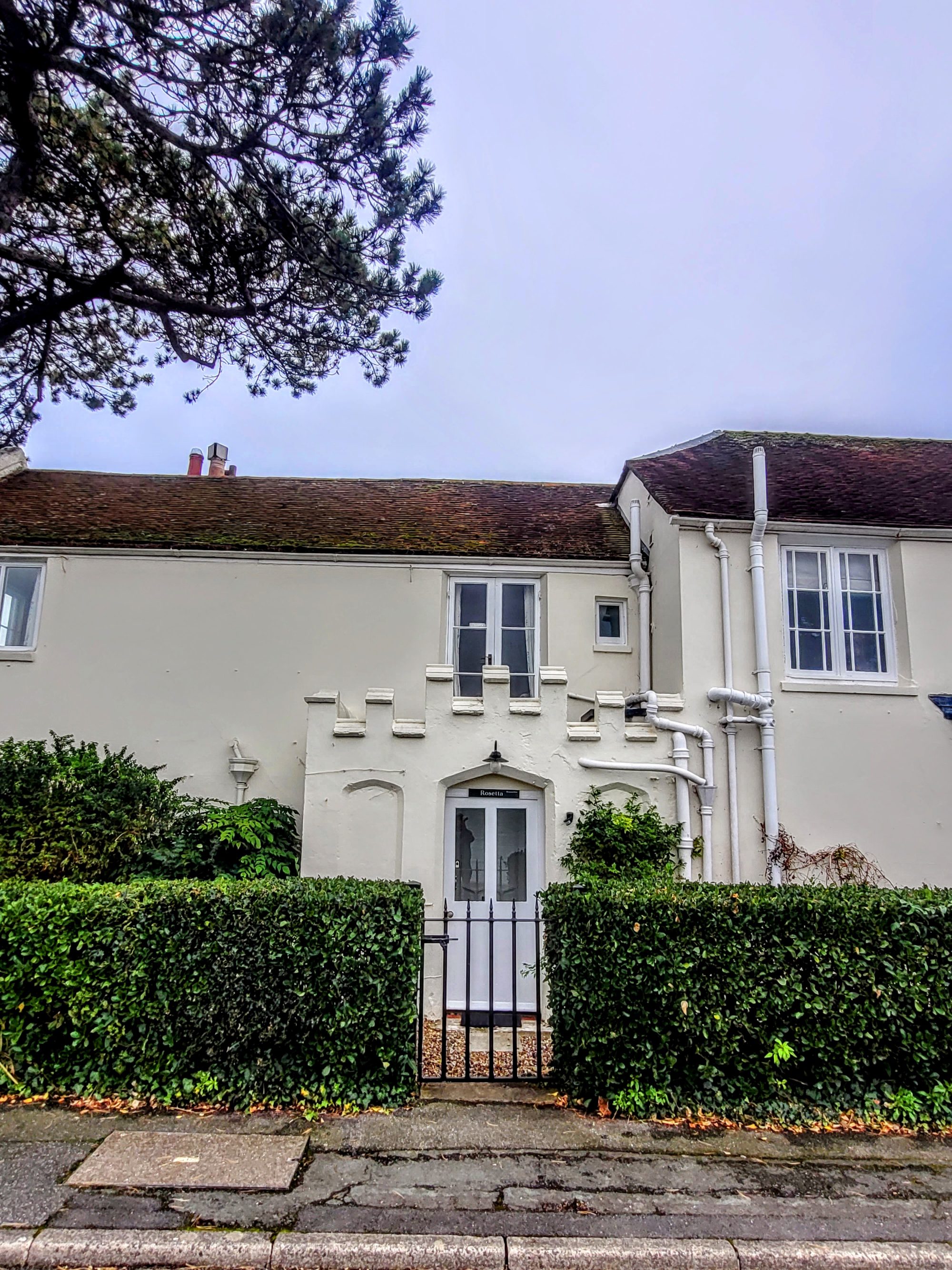
Like many Victorian properties of its kind, Rosetta Cottage features classic architectural details that reflect the design trends of the time. With its whitewashed walls, charming sash windows, and traditional slate roof, the cottage embodies the quaint, idyllic charm that defines so many homes on the Isle of Wight.


Maritime Connections and Cultural Significance
Cowes is internationally renowned for its strong ties to the sea, and the maritime history of the town plays a significant role in shaping the heritage of buildings like Rosetta Cottage. Located just a short walk from the waterfront, the cottage would have been ideally situated for families who wanted to enjoy the vibrant yachting scene that Cowes offered, particularly during the prestigious Cowes Week regatta, which has been held annually since 1826.
This connection to Cowes’ maritime culture is central to the identity of Rosetta Cottage. The town has always attracted sailors, merchants, and wealthy vacationers, making homes like this a part of the larger narrative of England’s coastal development in the 19th and early 20th centuries.
Additionally, the Isle of Wight’s proximity to the mainland and its mild climate made it an appealing destination for both summer holidays and retirement, with its homes symbolizing the peaceful coastal lifestyle that so many sought during this period.
The Architectural Beauty of Rosetta Cottage
While small in size, Rosetta Cottage is packed with charm and character. The exterior showcases the simplicity of traditional English seaside architecture, with features designed to withstand the coastal climate. The whitewashed walls, for example, help reflect the sun’s heat during the warmer months, while the slate roof provides durable protection against the frequent rains and winds that come from the nearby Solent.
The sash windows, a common feature in Victorian homes, add to the aesthetic appeal of the cottage, allowing natural light to fill the interior while offering views of the charming surroundings. The front garden is often adorned with colorful plants and flowers, adding to the cottage’s inviting and tranquil atmosphere.
Inside, Rosetta Cottage likely retains many of the original Victorian features that would have been incorporated at the time of its construction, including wooden beams, fireplaces, and ornate detailing that reflect the craftsmanship of the era. Though modest in size, the cottage would have provided a comfortable and cozy retreat for its inhabitants, blending practicality with aesthetic appeal.
Rosetta Cottage in Modern Times
Today, Rosetta Cottage is not just a historical relic; it remains a functional and appealing property in the modern era. The cottage, like many similar homes on the Isle of Wight, has been lovingly preserved and restored to maintain its historical charm while offering the conveniences of modern living. The Isle of Wight’s rich history continues to attract visitors from all over the world, and properties like Rosetta Cottage play a key role in maintaining the architectural heritage that defines this part of the island.
Whether as a permanent home or a holiday retreat, Rosetta Cottage exemplifies the timeless appeal of Victorian seaside cottages. Its location in Cowes, with its proximity to yachting, historical sites, and natural beauty, ensures that it remains an integral part of the island’s cultural fabric.
Cowes and the Isle of Wight: A Place of Heritage and Beauty
Rosetta Cottage is just one of many architectural treasures that make Cowes and the Isle of Wight a place of historical and cultural significance. The town itself, known for its cobbled streets, maritime museums, and world-class regattas, offers a rich experience for anyone interested in England’s coastal heritage. The Isle of Wight as a whole boasts numerous historical sites, including Osborne House, the former royal residence of Queen Victoria, and Carisbrooke Castle, a medieval fortress with a history dating back to the Norman Conquest.
Visitors to Cowes can enjoy a blend of maritime history, outdoor activities, and the timeless charm of its cottages and homes. Whether it’s exploring the island’s walking trails, attending the annual Cowes Week regatta, or simply relaxing in a coastal cottage like Rosetta, the Isle of Wight continues to offer a serene and historically rich escape.
Conclusion
Rosetta Cottage is a testament to the Isle of Wight’s enduring appeal as a seaside destination. With its Victorian charm, connection to maritime history, and picturesque setting in Cowes, the cottage represents both a piece of the island’s past and a beautiful home that continues to captivate modern visitors. As part of Cowes’ larger cultural and architectural heritage, Rosetta Cottage stands as a perfect example of the timeless allure of England’s coastal homes.
Tags: Rosetta Cottage, Cowes, Isle of Wight, Historical Cottage, Maritime History, Cowes Heritage, Victorian Architecture, Coastal Cottages, English Seaside Homes, Historic Properties, Cowes Attractions, Isle of Wight History, British Seaside, Yachting, Cowes Week, Coastal Living